Skip to content
All publications

NewsCord

NewsCord

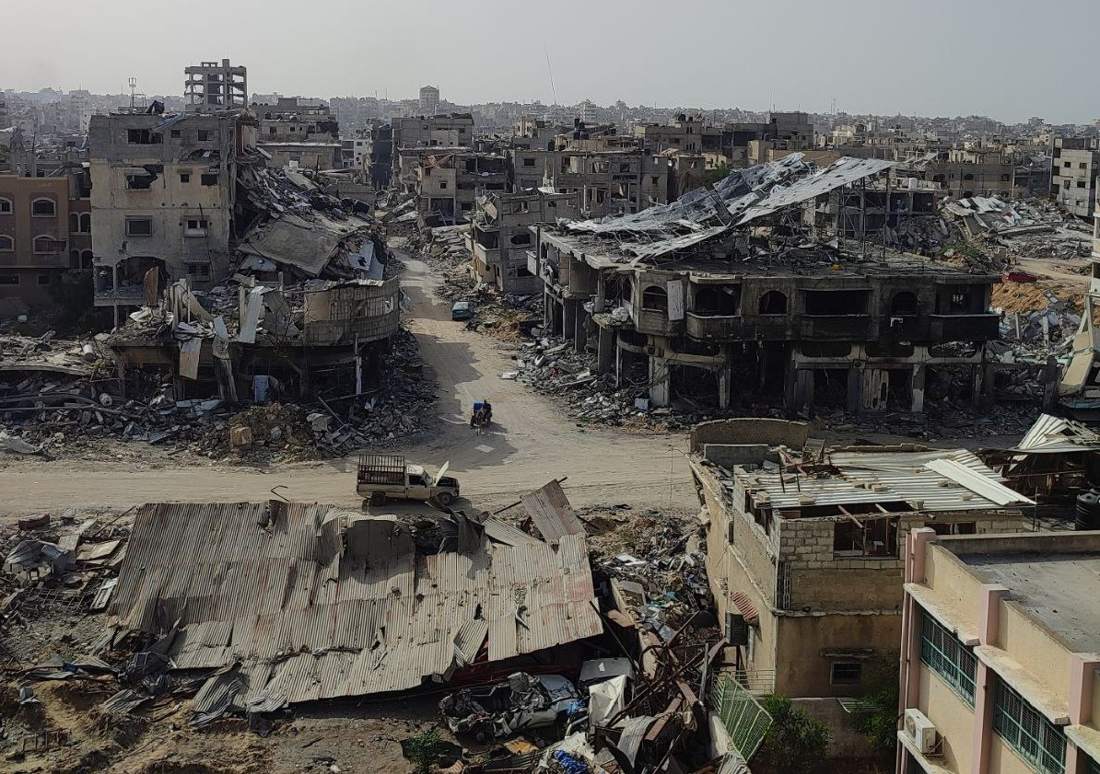
The papers wrote 447 articles on the Greens' Zionism vote. Israel, pro-Israel groups and the Chief Rabbi got 12,133 words. Palestinians got 3,173.

Between 1 and 20 October, 37 British national outlets covered one motion at one party conference. Israel's government alone got more words than every Palestinian put together, and 2,422 of the Palestinian words sat in stories tying the motion's author to al-Qaeda. Not one of 89 comment pieces backed the motion. Not one headline said genocide.

Nima Akram
Rawanmurad2025 (CC BY-SA 4.0) Source

NewsCord

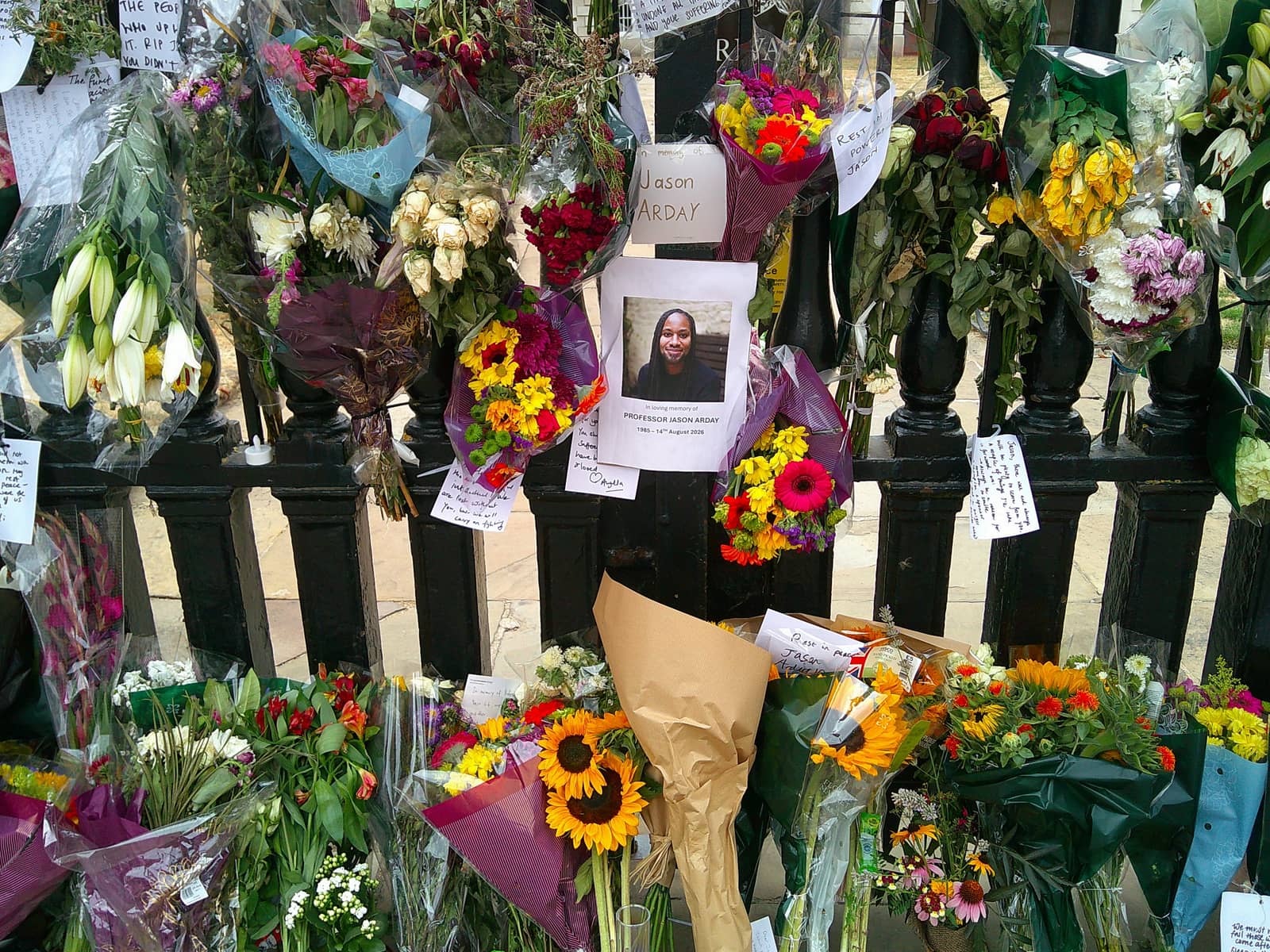
The Telegraph still has all 42 pieces it ran on Jason Arday, who was charged with nothing. Its report on its own columnist facing a criminal trial lasted under two days.

A charge heard in open court is public, and the law protects fair and accurate reports of it. The Telegraph and the Daily Mail reported that a Telegraph columnist is to stand trial, then deleted their reports within two days, and the Spectator, edited by Michael Gove, deleted her column. The same papers kept all 100 pieces they ran on Jason Arday, who was never charged with any crime. By Nima Akram.

Nima Akram

No Swan So Fine (CC BY-SA 4.0) Source

NewsCord

Black staff at Cambridge were offered support after racist abuse. The Telegraph's headline: "Cambridge accused of breaking law".

On 21 August 2026 Cambridge said its Black students and staff were still being sent racist, hateful and abusive messages. Six days later senior Black academics told Black staff they could come to them for support and advice. The Telegraph reported the offer under an accusation of breaking equality law. The word abuse appears nowhere in its article, which leaves out the law that allows the support, gives the accusation to anonymous academics and contradicts its own headline in its last paragraph.

Diliff (CC BY-SA 3.0) Source

NewsCord

Jason Arday drew 163 articles in a week. James Orr, a Cambridge academic filmed arranging foreign money for Reform UK, drew 13 from the same outlets. The education reporters wrote none.

The reporters who made Jason Arday a national story say Cambridge and education are their beat. James Orr is on that beat: an associate professor, filmed by Channel 4 arranging for a US company to pay for Reform UK's polling, stood down the next morning, under university examination the same day and now under a Metropolitan Police investigation. We time-matched the first week of each story across the same fifteen outlets: 163 articles about Arday, 13 about Orr and 92 more that name him inside a Reform story. Then we went byline by byline: the 15 journalists who led the Arday coverage wrote 0 of them. Andrew Gilligan wrote two more Cambridge pieces after Orr stood down, about Simon Woolley and the Arday inquiry, and neither names him. Every article listed and linked.

Cmglee (CC BY-SA 4.0) Source

NewsCord

Lord Simon Woolley's impact, in the words of the people who lived it.

A magazine told the first Black man to head an Oxbridge college that he is not fit for the job. The people he has actually taught, mentored, hired and argued with were never asked. This is a living board where they answer under their own names: anyone can add one, every email is verified, and a person reads every entry before it appears. Nothing here is anonymous.

Roger Harris (CC BY 3.0) Source

NewsCord

Andrew Gilligan's record: corrections, settlements and familiar targets.

Corrections, apologies and settlements involving Muslim people and institutions form part of Andrew Gilligan's record. We counted all 42 articles in his recent Spectator archive and tracked seven Cambridge articles in 21 days, including pieces about Muslim educators and a Black college leader. He wrote that every other non-academic head of house had out-achieved Simon Woolley, and named none of them, so we named all eleven and checked what the job actually requires. Every outcome is linked in a 24-record ledger.

Willow4 (CC BY-SA 3.0) Source

NewsCord

A jury cleared Tony Greenstein in two hours and eleven minutes. The only national story was that Gary Lineker shared his speech.

On 21 August a jury unanimously acquitted Tony Greenstein, a 72-year-old Jewish anti-Zionist, of a terrorism charge over Gaza posts. No national outlet reported the verdict until Gary Lineker reshared a clip of his speech outside court, and then the story was Lineker's 'true views'. A census of all 24 substantive Lineker articles this week: six about the repost, none in his defence, every accusation coded by whether it is asserted as fact, run as signed opinion or attributed to others, and mapped against the line defamation law draws. With the quote wall, the omissions scoreboard and every article listed and linked.

Lauren Hurley / No 10 Downing Street (OGL v3.0) Source

NewsCord

The press wrote 188 articles at Jason Arday in his last nine days alive. Nine days after his death, it had moved on.

Two nine-day windows across the same fifteen outlets, split at the minute the news of his death broke on 14 August. His last nine full days alive drew 188 substantive articles, most of them accusation or ridicule; the nine days after drew 136, front-loaded into the grief spike and collapsing to 10 across the final three days, with every investigation the press demanded still open. Broken down by outlet, byline, regulator and headline register, with a filterable cadence chart and every article listed and linked.

The wub (CC BY-SA 4.0) Source

NewsCord

How was the Jason Arday coverage classified by regulator?

A companion investigation mapping substantive written coverage by period and oversight. It separates broadcaster-affiliated web articles from Ofcom-regulated content and publishes the audit method, release status and roster limitations alongside the article table.

Acabashi (CC BY-SA 4.0) Source

NewsCord

Nine Bylines, Two Black Britons: the Misan Harriman Census

Misan Harriman asked why the Muslim victim of the Golders Green attacker received so much less coverage than the two Jewish victims. Four national titles spent two months answering with his character. We counted 62 articles across 18 outlets, named every journalist who wrote one, and checked those names against our census of the coverage of Jason Arday. Nine appear in both; one Telegraph reporter wrote 14 pieces across the two men, and it was his byline on the article that took the Arday allegations mainstream. IPSO ruled Harriman's own complaint in remit in May and has published nothing since.

Amy Martin Photography (CC BY-SA 4.0) Source

NewsCord

Jason Arday told the press he was at his limit. It answered with 188 more articles. He is dead at 41.

A census of every substantive written article 14 national outlets published about Jason Arday before he was found dead on 14 August: 229 articles, at least 188 of them in the nine days after his resignation letter said he had reached 'the limits of what any person should reasonably be expected to endure'. The original 249-row list included one video page and 19 articles published after the 3:12pm boundary; those later articles are now shown separately. His death is with the coroner; the page counts what he was under, and claims nothing it cannot show.

Southdevonian (CC0) Source

NewsCord

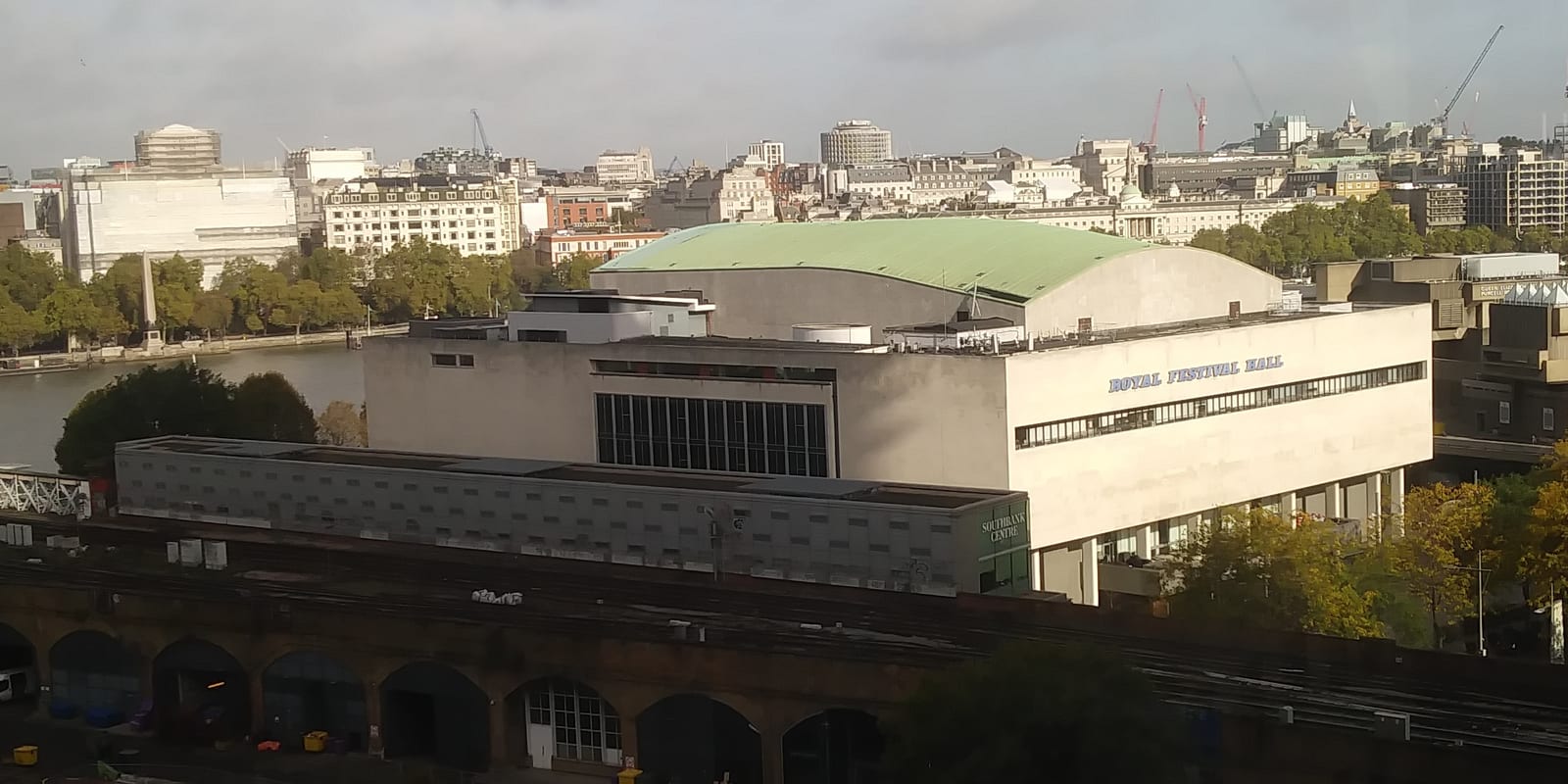
The Misan Harriman Smear Campaign

Two Telegraph hit pieces in five days, same correspondent. A 17% video clip framed as a Holocaust comparison. A question about a Muslim victim rebranded as a 'conspiracy.' A coordinated defunding play against the Southbank Centre.

Hassocks5489 (CC0) Source