The lawyers challenging Palestine Action’s proscription faced sustained pressure. The government’s case for the ban received a fraction of that scrutiny.
Kévin T. admitted he chose his victims by how Muslim or African they looked, in a town he called "a haven for Islamists". We read 90 English-language articles from 41 outlets. They folded the killing into the protests, called it random, and 32 of the 41 never reported his confession.
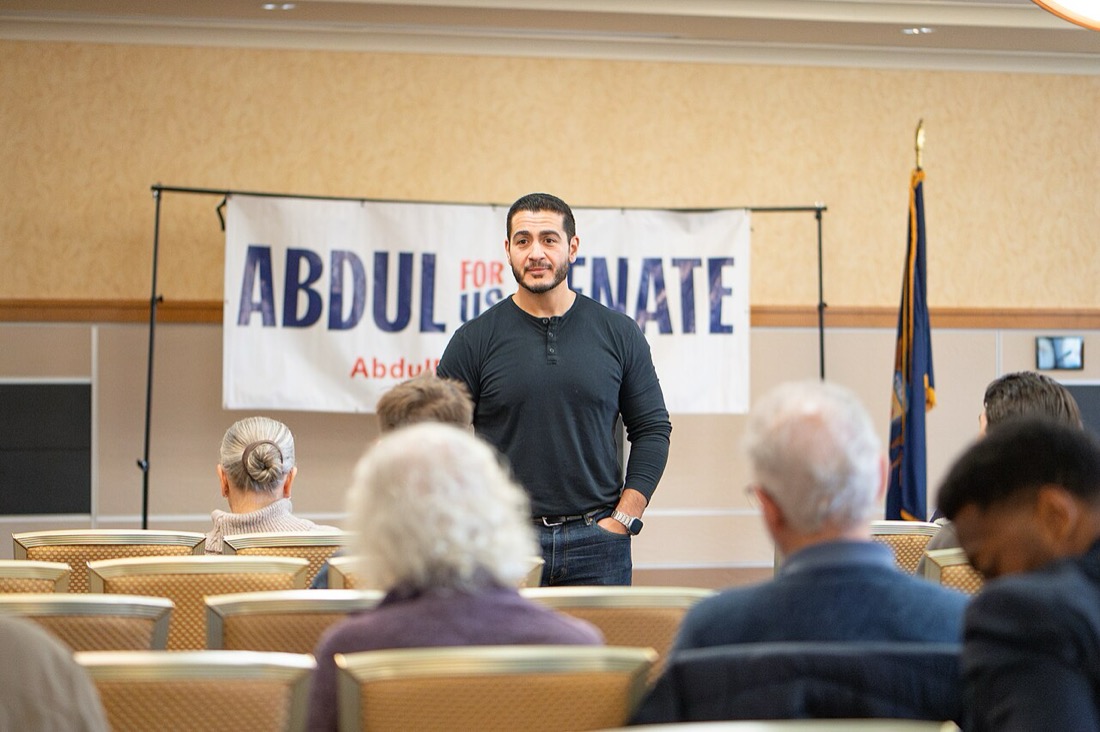
We examined 920 headlines about El-Sayed from 141 outlets and 740 stored articles. Fox and the Post carried the smear from August onwards and almost never told their readers it had nothing behind it. The charts compare headline subjects, who made the allegations and whether the articles assessed the evidence.
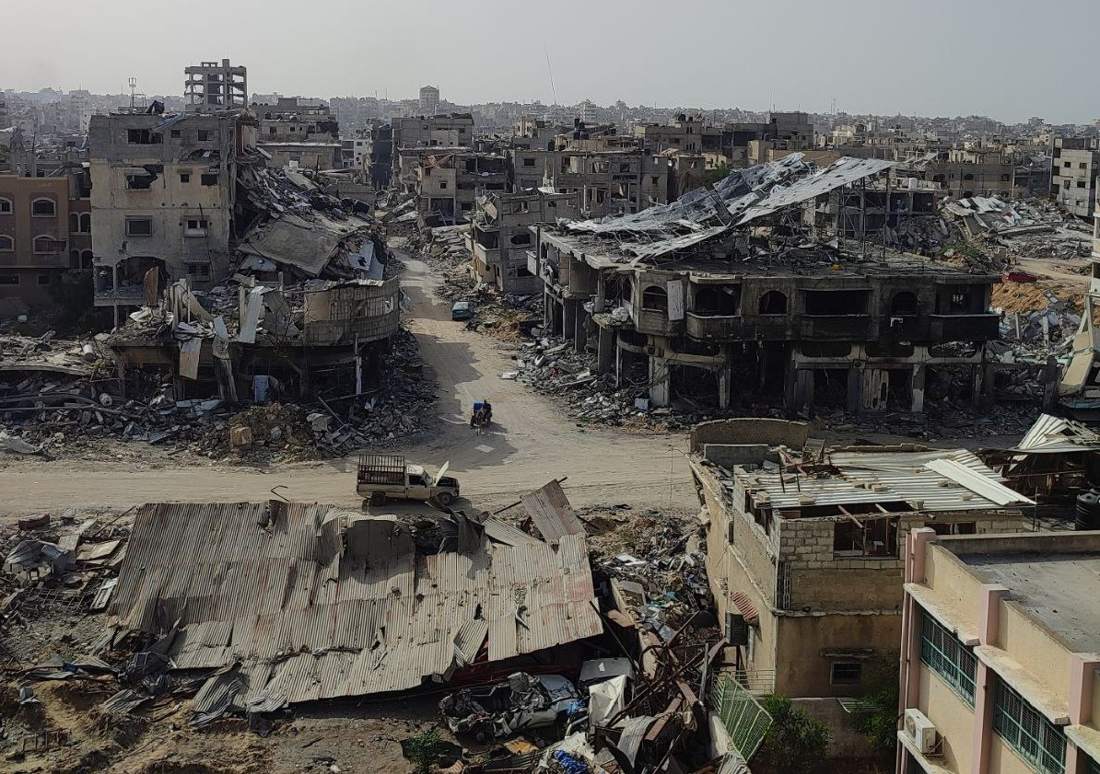
UKLFI has reported dozens of charities to Britain's regulators. Where we could find the outcome, the regulator found nothing against the charity in 11 cases out of 14. Its letters to hospitals, councils and colleges work better: Gaza children's art, nurses' badges and Palestinian flags have come down after them.
Sir David Bell's review used it to say a view held by 45% of British adults, that Israel treats Palestinians like the Nazis treated Jews, could be antisemitic. It was committed to the definition before it heard any evidence. A charity whose one firm policy is opposing boycotts of Israel lists Bell on its council. Four of 37 reports told readers what the definition says about Israel.
Between 1 and 20 October, 37 British national outlets covered one motion at one party conference. Israel's government alone got more words than every Palestinian put together, and 2,422 of the Palestinian words sat in stories tying the motion's author to al-Qaeda. Not one of 89 comment pieces backed the motion. Not one headline said genocide.
The protests began on 21 September at one school near Paris, over teaching posts nobody had filled. We read 734 English-language reports from 164 outlets. On the day 550,000 people marched, 73% led on the violence, 42% never said the marches were peaceful, and only two gave any number for injured protesters.
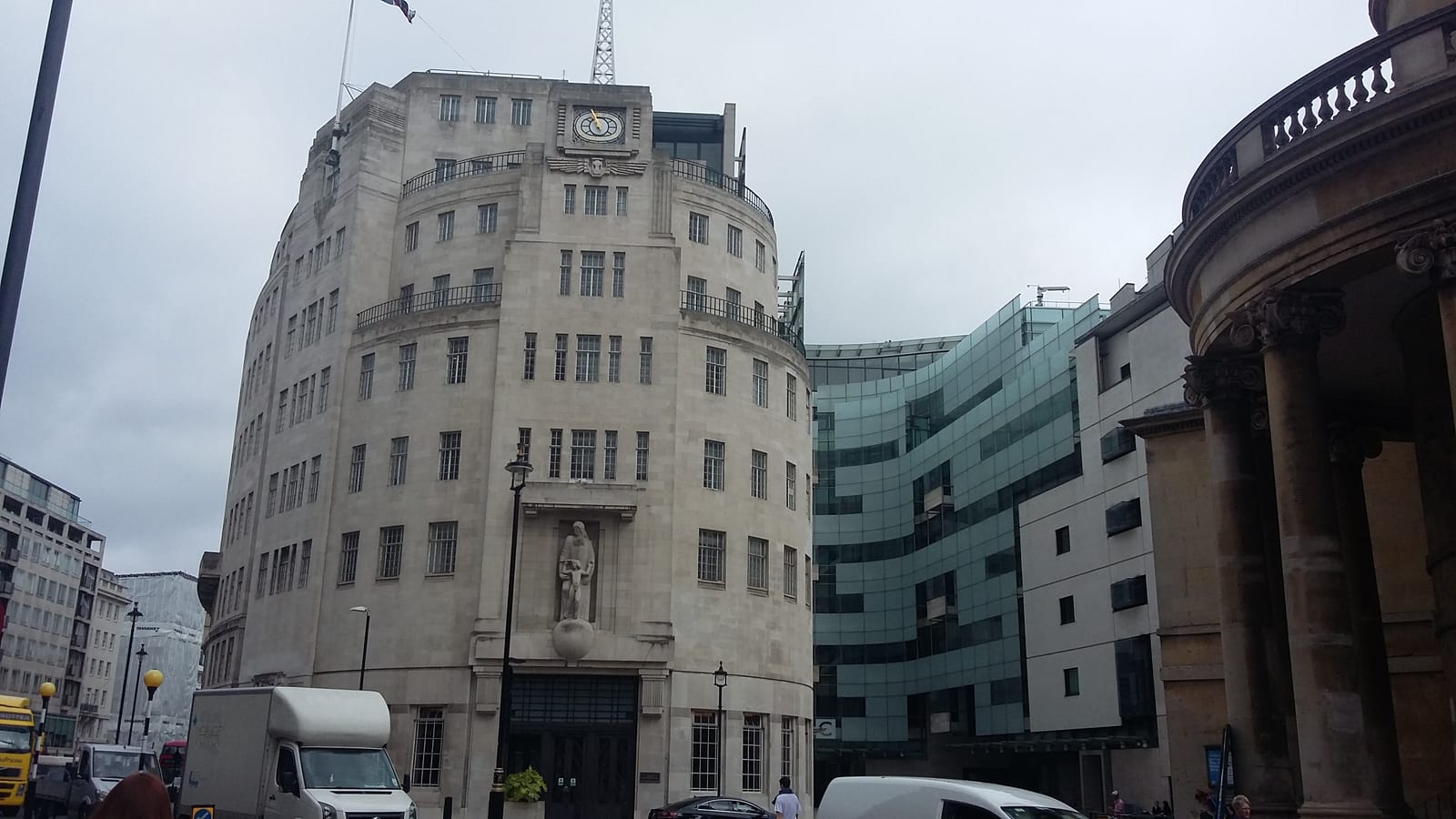
We read 4,858 BBC News pages published since 7 October 2023 and found every use of the word atrocity. When Hamas killed Israelis, the BBC used the word itself. When Israel killed Palestinians in Gaza, the BBC left the word to the UN, Human Rights Watch and Oxfam: 76 times, and every time as their words, never its own.
Henry Hopwood-Phillips pleaded guilty in June. We can find no report of it until a Daily Mail story about Michael Gove's former partner on 13 October, and by that evening the Mail had rewritten its line about The Critic. The Critic loses about £1 million a year and stays open on its owner's money. It has not said a word.
Antisemitism is real, and Jewish people in Britain are attacked for being Jewish. But the count meant to measure it also counts words about Israel, because CST, the charity that shares reports with the police, follows the IHRA definition that treats comparing Israel to the Nazis as antisemitic, and Met guidance obtained under Freedom of Information says the Arabic word for resistance should be investigated. The Home Office publishes no breakdown, so nobody can say how many of the 3,162 crimes were attacks on Jews. By Nima Akram.
At 11:22 on 7 October 2023 the Gaza Division of the Israeli occupation forces told its units that not a single vehicle could return to Gaza, and at 11:59 Southern Command ordered any withdrawal stopped at any cost. The Israeli occupation's own investigations and memorial records put 13 deaths down to Israeli fire, and the IOF decided its safety department would not investigate the rest. The BBC has not named the Hannibal Directive in three years. We read 4,367 articles by 28 Western outlets from the week after the attack: 49.4% condemned it in their own words and 0.7% condemned the Israeli occupation's killing in Gaza. Of 144 articles that carried false atrocity claims, not one has been corrected or taken down. By Nima Akram.
Green Party members voted 1,022 to 813 to treat Zionism as racism and to back one democratic state with equal rights for all. We counted every word of 15 reports by the BBC, the Telegraph, the Guardian, the Mail, the wires and others, by whose position each word carried. Opponents got 5,632 words and supporters 620. Eight of the ten reports that quoted the single-state clause cut it before equal rights for all, none of 22 headlines named Palestinians, Gaza or genocide, and the Telegraph rewrote its evening headline to carry Israel's accusation of terrorism. By Nima Akram.
Ben Delo gave Reform £36m on 11 September 2026 and Christopher Harborne matched it the next day. Delo pleaded guilty to a US money-laundering control offence in 2022 and was pardoned by Trump; Harborne owns around 12 per cent of Tether and his undeclared £5m gift to Farage is under investigation by the Parliamentary Commissioner for Standards. Reform says the money only levels the playing field with Labour and the Conservatives. We pulled every registered donation since 2017 from the Electoral Commission: Reform was already out-raising both parties, 2026 is now the biggest fundraising year any British party has recorded, and about 90 per cent of Reform's money since the election comes from two men. With charts, the Harborne ledger, the crypto bill that vanished from Reform's website, and the Westminster building Delo funds where Rupert Lowe drafts mass deportation.
The reporters who made Jason Arday a national story say Cambridge and education are their beat. James Orr is on that beat: an associate professor, filmed by Channel 4 arranging for a US company to pay for Reform UK's polling, stood down the next morning, under university examination the same day and now under a Metropolitan Police investigation. We time-matched the first week of each story across the same fifteen outlets: 163 articles about Arday, 13 about Orr and 92 more that name him inside a Reform story. Then we went byline by byline: the 15 journalists who led the Arday coverage wrote 0 of them. Andrew Gilligan wrote two more Cambridge pieces after Orr stood down, about Simon Woolley and the Arday inquiry, and neither names him. Every article listed and linked.
Corrections, apologies and settlements involving Muslim people and institutions form part of Andrew Gilligan's record. We counted all 42 articles in his recent Spectator archive and tracked seven Cambridge articles in 21 days, including pieces about Muslim educators and a Black college leader. He wrote that every other non-academic head of house had out-achieved Simon Woolley, and named none of them, so we named all eleven and checked what the job actually requires. Every outcome is linked in a 24-record ledger.
On 21 August a jury unanimously acquitted Tony Greenstein, a 72-year-old Jewish anti-Zionist, of a terrorism charge over Gaza posts. No national outlet reported the verdict until Gary Lineker reshared a clip of his speech outside court, and then the story was Lineker's 'true views'. A census of all 24 substantive Lineker articles this week: six about the repost, none in his defence, every accusation coded by whether it is asserted as fact, run as signed opinion or attributed to others, and mapped against the line defamation law draws. With the quote wall, the omissions scoreboard and every article listed and linked.
Lauren Hurley / No 10 Downing Street (OGL v3.0) Source
A water project engaged eleven communities, from Jewish mikvahs to Sikh gurdwaras, and made 42 recommendations, most aimed at everyone or at the water companies themselves. Three national outlets cropped it to the two about Muslims and Asians and printed an instruction that exists in no document, never engaging the report's cost or evidence: the communities were the story that fit the narrative. The same week, 22 of 25 headlines turned a Home Office collection about housing, victims' rights and child safety into a rape story, without one offending statistic, because the state does not measure it and is in court to keep the nearest proxy unpublished. Both censuses published article by article.
Two nine-day windows across the same fifteen outlets, split at the minute the news of his death broke on 14 August. His last nine full days alive drew 188 substantive articles, most of them accusation or ridicule; the nine days after drew 136, front-loaded into the grief spike and collapsing to 10 across the final three days, with every investigation the press demanded still open. Broken down by outlet, byline, regulator and headline register, with a filterable cadence chart and every article listed and linked.
A companion investigation mapping substantive written coverage by period and oversight. It separates broadcaster-affiliated web articles from Ofcom-regulated content and publishes the audit method, release status and roster limitations alongside the article table.
Misan Harriman asked why the Muslim victim of the Golders Green attacker received so much less coverage than the two Jewish victims. Four national titles spent two months answering with his character. We counted 62 articles across 18 outlets, named every journalist who wrote one, and checked those names against our census of the coverage of Jason Arday. Nine appear in both; one Telegraph reporter wrote 14 pieces across the two men, and it was his byline on the article that took the Arday allegations mainstream. IPSO ruled Harriman's own complaint in remit in May and has published nothing since.